AI and the global economy are intricately intertwined, shaping the future of work in unprecedented ways. As economies around the world adapt to the rapid advancements in artificial intelligence, the impact of this technology is felt across various sectors, from manufacturing to services. Economists are voicing concerns over potential job losses due to automation, warning that these changes might lead to significant disparities in employment and earnings. Additionally, the risks associated with an AI bubble raise alarms over global financial instability, sparking debates on how to navigate these turbulent waters. Moving forward, it is essential for policymakers to consider the implications of these shifts and develop strategies that foster inclusive growth while mitigating the inherent risks.
The integration of AI into economic frameworks represents a transformative shift that could redefine productivity and labor landscapes. With technology rapidly evolving, the phenomenon of job displacement, often attributed to automation, has emerged as a critical issue that demands attention. Furthermore, discussions around the volatility of financial markets hint at possible repercussions stemming from a speculative AI bubble. In light of these developments, the conversation around the future of work amid these technological advancements has never been more pressing. Addressing the complexities of these challenges is crucial for sustainable economic growth and societal well-being.
The Impact of Artificial Intelligence on Labor Markets
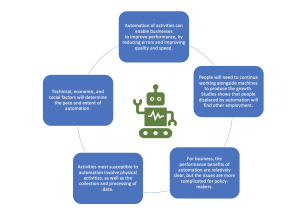
Artificial intelligence (AI) has stirred significant debate among economists about its transformative power, particularly in relation to the labor market. The potential for large-scale job losses due to automation is a major concern, as highlighted by Gita Gopinath. She warns that the current threat from AI could outstrip the jobless recovery that followed the 2008 financial crisis, where many firms opted for automation instead of rehiring workers. As AI technologies advance, the likelihood of such job displacements increases, making it crucial for policymakers to understand the gravity of these changes and the support systems needed to manage workforce transitions.
Furthermore, the implications of AI on labor markets extend beyond mere job loss. While AI can enhance productivity and efficiency, it raises questions about the future of work with AI, particularly concerning wage distribution and employment types. Economic metrics suggest that as AI continues to mature, not only will low-skill jobs be at risk, but even many high-skill roles may see a reduction in demand. It is essential for governments and institutions to strategize on reskilling the workforce, ensuring that individuals possess the necessary skill sets to thrive in an economy increasingly driven by AI technologies.
AI and the Global Economy: Risks and Opportunities
In the context of the global economy, the infusion of AI poses both enormous opportunities and significant risks. Investments in AI have surged, prompting discussions about the AI bubble risks that threaten economic stability. Panelist Carmen Reinhart pointed out that while current investments are buoyed by optimism, there are signs of a potential bubble that could have drastic ramifications if it were to burst. The repercussions of such an event may echo throughout the global economy, resulting in widespread financial instability similar to what was experienced in prior market downturns.
The juxtaposition of AI as an economic driver and the potential for global financial turmoil underscores the need for balanced investment strategies. While AI can be a catalyst for economic growth, enhancing productivity and innovation, it also necessitates regulatory oversight to mitigate risks tied to speculative investments. Economists like Dani Rodrik suggest that understanding these dynamics is crucial for navigating the complexities of a rapidly changing economic landscape, advocating for a cautious approach to harnessing AI’s benefits while safeguarding against its potential downsides.
Job Losses Due to Automation: The Economic Perspective
The phenomenon of job losses due to automation is not a new concern, but recent advancements in AI have escalated the urgency of acknowledging this reality. Experts suggest that nearly 30 percent of jobs in advanced economies are vulnerable to disruption by AI technologies. This stark reality forces us to confront difficult questions about the relationship between technology, employment, and economic output. Gita Gopinath’s warnings serve as a clarion call for policymakers to address the inevitable shifts in labor demand that could arise from an AI-driven economy.
As the workforce grapples with these disruptions, it becomes imperative to consider policy measures that can cushion the blow for those affected. Programs focused on education and training will be essential to prepare workers for the jobs of tomorrow, which are likely to differ significantly from those of today. The economic perspective involves not just accounting for the immediate job loss but understanding the long-term structural changes that will reshape the labor market, emphasizing the need for proactive measures to transition affected workers into new roles that leverage their existing skills in the face of growing automation.
Navigating Global Financial Instability in an AI World
Global financial instability remains a pressing issue in the wake of economic challenges posed by geopolitical conflicts, tariffs, and technological advancements, particularly AI. Economists warn that the ripple effects of AI investments could lead to unforeseen economic consequences, including fluctuations in the stock market and altered investor behavior. As highlighted by the panelists, understanding the intricate link between AI and financial markets is critical in navigating any future instabilities that may arise as countries grapple with the rapid evolution of technology.
Moreover, the intertwining of AI with global finance brings about heightened risks of market bubbles and financial crises. The repeated historical patterns of financial instability tied to technological innovations call for vigilant monitoring and regulatory frameworks that can adapt to these changes. In this context, global financial institutions must engage in collaborative efforts to create policies that promote transparency and stability while reaping the benefits of technological advancements like AI, ensuring that the global economy remains resilient in the face of inevitable disruptions.
Mitigating AI Bubble Risks in the Investment Landscape
As the discourse around AI investments intensifies, concerns about the potential emergence of an AI bubble become increasingly relevant. Economists like Carmen Reinhart have pointed out symptoms of such a bubble, suggesting that irrational exuberance could lead to investments that do not reflect the underlying economic fundamentals. This situation presents significant risks, particularly if market corrections occur, thereby potentially destabilizing the global economy.
Mitigating these risks requires a thoughtful approach to investment in AI technologies. Stakeholders must conduct rigorous assessments of the economic viability of AI ventures and ensure that funding allocations align with sustainable business models rather than speculative pursuits. Transparent reporting and accountability within the AI investment landscape can help quell fears of a bubble, enabling investors to make informed decisions while fostering economic growth driven by genuine technological advancements rather than transient market enthusiasm.
The Future of Work with AI: Embracing Change
The future of work in an AI-dominated landscape calls for a paradigm shift not only in vocational training but also in corporate culture and practices. Embracing AI means reconsidering traditional job roles and workflows, as companies will increasingly integrate automation in their operations. Gita Gopinath and other economists emphasize the necessity for businesses to adapt proactively to these changes, cultivating environments where human creativity and AI capabilities coexist symbiotically, thereby enhancing productivity and innovation.
Additionally, as we envision the future of work with AI, it is crucial to prioritize inclusivity and equitable opportunities for all workers. Ensuring that the benefits of AI deployment are shared broadly can help avert widening inequalities often exacerbated by technological advancements. Through collaborative efforts between governments, educational institutions, and the private sector, a new workforce can be shaped—one that harnesses the power of AI while also protecting the livelihoods of individuals in an evolving economic landscape.
Democratic Engagement and AI’s Role in Economic Equity
To harness the full potential of AI and mitigate its risks, there must be a concerted effort towards democratic engagement concerning its deployment. This means actively involving citizens and stakeholders in discussions around AI’s role in the economy. Dani Rodrik highlights the need for this engagement to guide the development of AI technologies that prioritize public good over profit. By fostering open dialogue, society can chart a path that leverages AI to promote economic equity and improve quality of life for all.
The challenge lies in ensuring that AI does not exacerbate existing inequalities or disenfranchisement in society. Policymakers need to ensure that the technology serves as a tool for empowerment rather than a means of widening the gap between the skilled and unskilled workforce. Engaging in a democratic process can help shape policies that support inclusive growth and protect the most vulnerable populations in the face of transformative technological change.
Strategies for Addressing Job Transition in an AI Era
As the influence of AI evolves, it warrants a focused strategy on managing job transitions for individuals whose livelihoods may be disrupted. Learning and adaptation are at the forefront of preparing the workforce for new economic realities. Gita Gopinath emphasizes the importance of training programs, apprenticeships, and lifelong learning, which will become essential as job roles transform in response to automated processes and AI integration. Organizations need to invest in human capital to ensure that existing employees have opportunities to learn new skills that align with the evolving job market.
Moreover, proactive measures must also be taken to support displaced workers in finding new opportunities. This involves creating safety nets, such as unemployment assistance and career transition services, aiding those impacted by automation’s rapid rise. By establishing a supportive framework, economies can cushion the impact of job losses while fostering an adaptive workforce prepared to engage with the complexities of an AI-driven economy.
Redefining Labor Income Tax in an AI-Driven Economy
As AI technologies begin to reshape labor markets, there are vital conversations occurring about how economic policy, particularly taxation, must evolve. With Gita Gopinath highlighting the possibility of a diminishing labor share, there are increasing calls for rethinking how labor income is taxed relative to capital income. The traditional approaches to taxation must adapt to ensure the sustainability of public services that are dependent on labor revenue, especially as AI threatens to reduce the need for human labor in many sectors.
The shift towards a greater capital income tax may become imperative as AI increases productivity while displacing workers. Policymakers need to consider how to implement such tax structures effectively to ensure that the transition benefits society broadly rather than exacerbating wealth inequality. Exploring innovative taxation models will be essential to align with the economic transformations brought on by AI, ensuring that the public sector can continue funding essential services amid changing revenue sources.
Frequently Asked Questions
What is the impact of artificial intelligence on job losses due to automation?
The impact of artificial intelligence on job losses due to automation is significant, with estimates suggesting that 30% of jobs in advanced economies may be vulnerable to AI-driven disruptions. Economists warn that the magnitude of potential job losses could be greater than those experienced during the post-2008 financial crisis, as automation increases efficiency at the expense of traditional jobs.
How might AI contribute to global financial instability?
AI could contribute to global financial instability through the creation of an AI bubble, where excessive investments are made without sustainable fundamentals. As businesses increasingly rely on AI, a sudden market correction could lead to significant job losses and decreased public revenue, destabilizing economies that are heavily reliant on labor income taxation.
What are the risks associated with the AI bubble and how does it relate to the global economy?
The risks associated with the AI bubble include overvaluation of AI technologies and potential market crashes. If the bubble bursts, it could lead to major job losses and a decline in public revenues, substantially impacting the global economy. Economists warn of a ripple effect on entitlements and economic stability if labor incomes shrink and capital income rises sharply.
What does the future of work with AI look like in the context of job security?
The future of work with AI presents challenges for job security, as technological advancements may render many positions obsolete. Economists like Gita Gopinath stress the need for proactive measures to manage the transition, as future job landscapes could force large segments of the workforce into roles that require different skills, potentially widening economic disparities.
How can AI act as an equalizer in the global economy?
AI can act as an equalizer by democratizing access to knowledge and skills, enabling less experienced individuals to benefit from advancements in technology. However, ensuring that AI serves the common good demands active democratic engagement and policies that prioritize inclusivity and equitable distribution of resources, mitigating the risks of deepening inequalities.
| Key Topics | Economic Implications | Panel Insights |
|---|---|---|
| Job Loss Risks from AI | Gita Gopinath warns of larger job losses due to AI compared to the jobless recovery post-2008. | Panel discussed how automation and AI could lead to significant changes in labor markets. |
| Global Financial Stability Concerns | Carmen Reinhart noted potential inflation risks from geopolitical tensions and tariff actions. | Panel acknowledged that economic shocks over the past years have surprisingly had little immediate effect on the global economy. |
| Impact of AI on Jobs & Taxes | 30% of jobs in advanced economies could be disrupted by AI according to estimates, raising concerns on tax revenue. | Discussions included the implications of AI on labor share and the necessity of higher capital income taxes. |
Summary
AI and the global economy are intricately linked, as recent discussions highlight both the transformative potential and significant risks posed by artificial intelligence in the labor market. Experts like Gita Gopinath, Carmen Reinhart, and Dani Rodrik have stressed the urgent need to address the economic consequences of AI integration, including the potential for widespread job losses and shifts in taxation needed to sustain public revenue. As AI technologies become more prevalent, understanding their impact on global financial stability is critical for navigating future economic challenges.
Discover the power of Autowp, the ultimate AI content generator and AI content creator plugin for WordPress that revolutionizes the way you generate and manage content. With its advanced machine learning algorithms, Autowp streamlines your content creation process, helping you produce high-quality articles, blog posts, and website copy effortlessly. Elevate your WordPress site’s content strategy and engage your audience with captivating AI-generated text that saves you time and boosts your SEO. To remove this promotional paragraph, upgrade to Autowp Premium membership.